

Resource Room
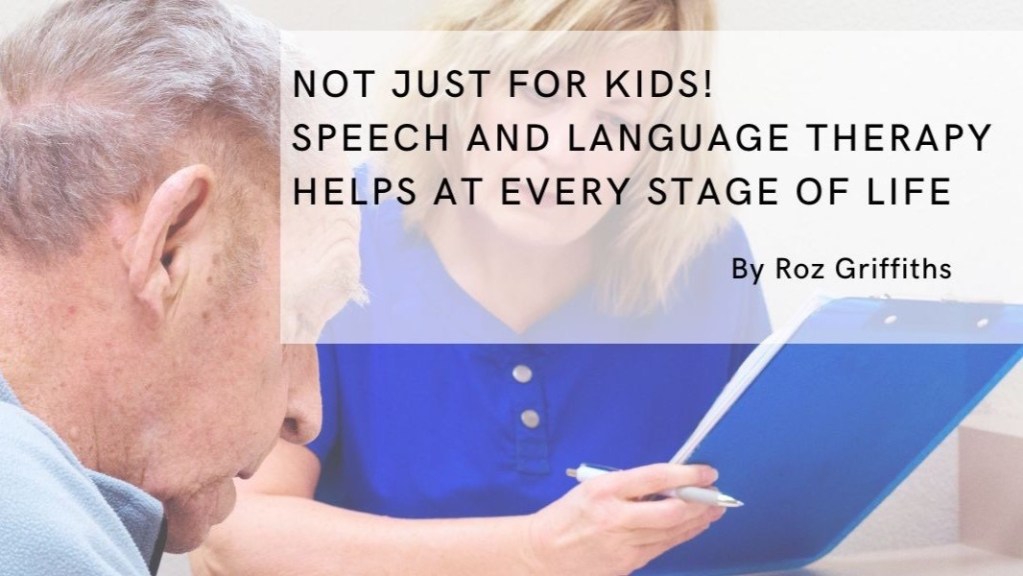
Not just for kids! How speech and language therapy helps at every stage of life
Mar
According to the Royal College of Speech and Language Therapists (RCSLT), at least 10% of children in the UK have persistent speech, language and communication needs. Meanwhile, the American Speech-Language-Hearing Association (ASHA) notes that around 8% of children in the United States have a speech sound disorder. These statistics are mirrored in the adult population and highlight the wide-reaching impact and need for speech and language therapy from early years through adulthood. Below, we explore its role across different life stages, the collaborations that make therapy successful and how these services can support communication for people of all ages.
- What Is Speech and Language Therapy?
Speech and language therapy addresses a variety of communication challenges, including articulation, language comprehension, social communication, literacy, voice disorders and even feeding and swallowing difficulties. Speech and language therapists (SLTs) identify assess, diagnose and identify specific goals and develop individualised therapy plans to help people strengthen their communication, literacy and feeding and swallowing skills.
- Childhood and Adolescence
Early Intervention: In the first few years of life, children rapidly develop their speech, language and literacy abilities. SLTs often work with families to facilitate receptive and expressive language skills through play, storytelling and games.
School-Age Support: During elementary and high school, speech and language therapy can help students overcome speech or language disorders that impact academic performance or affect social and emotional development. SLTs collaborate with teachers to adapt lesson materials and ensure each student receives the right accommodations and supports.
- Adulthood
Career and Social Interaction: Adults may face communication challenges that affect job performance and social relationships. Speech and language therapy can focus on clearer pronunciation, public speaking skills or techniques for managing voice disorders or dysfluency (stammering).
Neurological Rehabilitation: Conditions such as stroke or traumatic brain injury can lead to speech and language difficulties. SLTs play a key role in rehabilitation, helping individuals regain speech, comprehension, literacy and cognitive-communication abilities.
- Later Life
Age-Related Changes: Hearing loss, dementia and other health issues can affect speaking and understanding. Speech and language therapy helps older adults maintain communication skills and supports cognitive health.
Swallowing Assistance: Swallowing disorders, also known as dysphagia, become more common with age. SLTs work with individuals to improve swallowing safety and comfort and recommend diet or food consistency modifications if needed.
- Collaboration with Other Professionals
Effective speech and language therapy often involves a team effort. SLTs regularly coordinate with:
Occupational Therapists to address fine motor coordination, emotional regulation or sensory skills or self-care routines that influence communication.
Teachers to adapt classroom materials or create individualised education programs (IEPs). They also develop strategies that support language goals with the classroom.
Medical Professionals such as neurologists, ENT and other healthcare specialists to manage conditions like stroke, traumatic brain injury or vocal cord issues.
- Tools and Techniques
Speech and language therapy sessions may include:
Language Therapy: Structured activities or games that build vocabulary, grammar practice and comprehension.
Articulation Practice: Techniques to learn how individual sounds are produced and to be able to produce them in conversation.
Voice Therapy: Strategies to address pitch, volume and vocal quality.
Phonological and Phonemic Awareness: Structured activities to support literacy development at all ages.
Assistive Technology: Devices or apps that support communication for those with limited or no verbal abilities.
- Building Connections
Beyond therapy sessions, SLTs place a strong emphasis on real-life communication. This might mean practicing conversation skills in community settings or involving family members in therapy. The goal is for clients of any age to feel comfortable expressing their ideas and interacting in everyday situations. This holistic approach helps build confidence in expressing thoughts and feelings, whether at school, work or in social environments.
- Ongoing Research and Innovation
Speech and language therapists continually update their methods based on new research. Virtual therapy platforms, advanced diagnostic tools and emerging techniques in language rehabilitation all contribute to more personalised and effective care. Both the Royal College of Speech and Language Therapists (RCSLT) in the UK and the American Speech-Language-Hearing Association (ASHA) in the US promote evidence-based practice, advocating for continuous learning and improvement among professionals.
Conclusion
Speech therapy offers lifelong benefits—from a child who is just learning to speak to an older adult adjusting to age-related communication challenges. By focusing on all aspects of communication skills, confidence in daily interactions, literacy or social communication skills can grow or develop at any stage of life.
If you’ve worked with a speech and language therapist or would like to learn more about speech and language therapy, feel free to share your experiences in the comments.
SpeechTherapy#CommunicationMatters#RCSLT#ASHA #LanguageDevelopment #ChildhoodEducation #AdultRehabilitation #SeniorCare #SLPServices #HealthcareCollaboration #LifeLongLearning #EarlyIntervention
To view original article click here!
